Recycling and Sustainability — Gardening Brixton
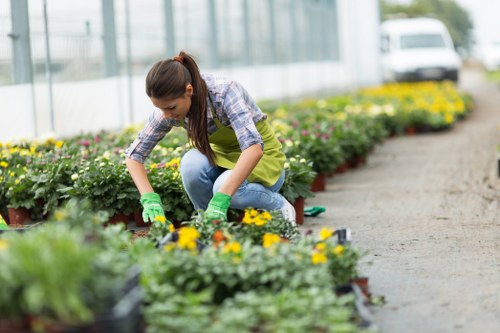 Gardening Brixton is committed to creating an eco-friendly waste disposal area and a sustainable rubbish gardening area that supports local biodiversity, reduces landfill and models circular-economy practice. Our recycling and sustainability page sets out how we handle green waste, re-use materials, and work with the borough to complement local waste separation schemes. We use a mix of practical on-site systems and neighborhood partnerships to reduce carbon and keep usable materials in circulation.
Our core objective is clear: to make Gardening Brixton a centre for low-waste, circular gardening. To that end we have set an ambitious recycling percentage target to guide investments in sorting infrastructure, staff training and transport. The target is measurable, timebound and designed to push continuous improvement while aligning with borough-level ambitions for resource management.
 The local boroughs around Brixton operate a practical approach to waste separation — with separate collections for food and garden waste, dry recycling streams for paper, card, glass, metal and certain plastics, and residual waste for non-recyclables. We mirror that by providing on-site separation points and clear signage so volunteers and visitors know how to sort materials. Our on-site sorting includes separate bays for:
- Garden and green waste for composting
- Food waste where collected for anaerobic digestion or community compost
- Dry recycling: paper, card, glass, metals and approved plastics
Targets, Transfers and Local Facilities
We have set a recycling percentage target of 70% across our operational waste streams by 2028, aiming to prioritise reuse and composting ahead of disposal. This target covers materials generated through site activities and materials we collect for redistribution. Progress is tracked quarterly, and we publish performance summaries to hold ourselves accountable and to encourage community participation.
Gardening Brixton links with local transfer stations and borough waste infrastructure to ensure materials are sent to the best next-use destinations. We use borough facilities and nearby transfer stations in Lambeth and neighbouring Southwark for materials that require municipal processing. These transfer points allow us to separate streams that need mechanical processing from those that are best processed locally—like community composting or reuse.
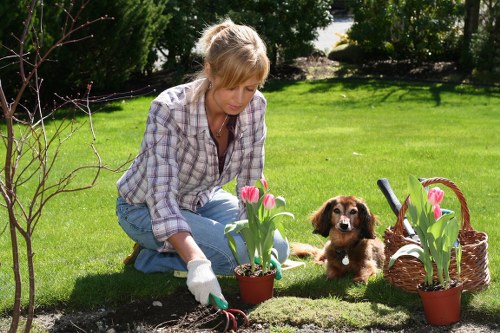 Our arrangements with local transfer facilities prioritise low-transport, low-processing solutions where possible. By diverting garden and food waste to community-scale composting and channelling reusable soil, pots and tools to local reuse partners, we reduce the need for long-haul movements and excessive processing. Gardening Brixton recycling therefore functions as part of a local ecosystem rather than an isolated disposal point.
Charity Partnerships and Resource Reuse
We actively partner with charities and social organisations to maximise reuse and social benefit. Partnerships include local community food redistribution projects, reuse charities that accept gardening equipment and furniture, and volunteer-run allotments that can take surplus compost and soil. These collaborations help us transform potential waste into community resources and support those in need.
Examples of the kinds of partnerships we maintain include:
- Donation and reuse partners for tools and pots (local reuse charities and community groups)
- Food redistribution organisations for surplus edible produce
- Community compost hubs that convert green waste into soil improver
To support our reuse and redistribution work we operate a fleet of low-emission vehicles. Our low-carbon vans are a mix of electric and hybrid vans alongside cycle cargo for short trips within the neighbourhood. By deploying these vehicles and using efficient route planning, Gardening Brixton reduces transport emissions and remains compliant with London low-emission zones while collecting and delivering reusable items.
On-site systems include covered sorting bays, labelled containers, secure storage for reusable materials, compost tumblers, and sheltered spaces for volunteers to clean and refurbish items. The sustainable rubbish gardening area is designed so that incoming waste is assessed immediately: compostables diverted to pile or tumbler, recyclable items into the appropriate stream, and salvageable goods prepared for donation.
We invest in staff and volunteer training so that sorting accuracy is high and contamination is low — this is critical for achieving our recycling percentage target. Regular monitoring of contamination rates, waste weights and diversion routes informs where we add training, signage or changes to collection practice. Gardening Brixton sustainability is therefore built on continuous monitoring and improvement.
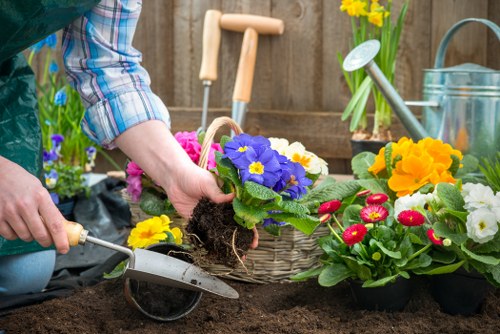 The climate benefits are delivered through multiple routes: replacing peat-based products with composted local green waste, reducing disposal miles through local transfer station use, and cutting tailpipe emissions with low-carbon vans and cargo cycles. Every tonne diverted from landfill reduces methane and lowers the overall carbon footprint of our gardening activities.
 Looking ahead, Gardening Brixton will continue to refine its circular approaches, deepen partnerships with charities and borough services, and upgrade our eco-friendly waste disposal area to meet rising demand. We champion a practical, community-led model of resource stewardship where the benefits are social, ecological and climate-positive.
We invite local groups and volunteers to engage with our activities, follow our progress against the recycling targets, and help us make the Brixton area a model of sustainable gardening practice. Together we can keep soils rich, deliveries low-carbon, and good materials in active use — delivering an accessible, resilient approach to local waste and resource management.
Gardening Brixton recycling is more than a programme: it is a neighbourhood commitment to a greener, cleaner and more sustainable future for all who garden here.