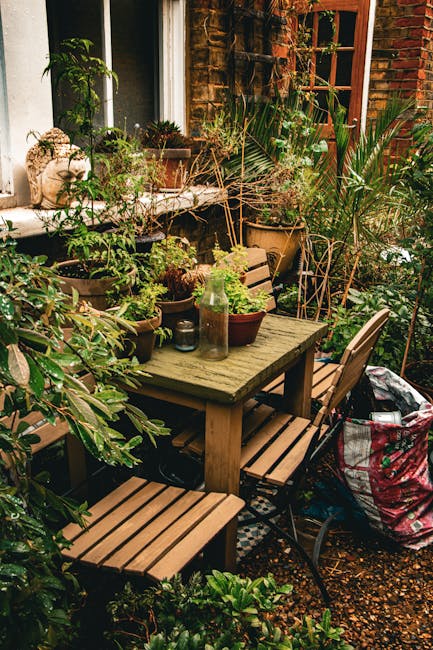
Brixton Village gardeners guide for small courtyard plots
If you are trying to make a tiny courtyard feel alive, useful, and a bit beautiful without turning it into a maintenance headache, you are in the right place. This Brixton Village gardeners guide for small courtyard plots is written for real London spaces: awkward corners, shaded walls, paving that heats up by lunchtime, and those little pockets where everything either thrives or sulks. A small courtyard can be brilliant. It just needs the right plan.
In Brixton, you often work with limited light, reflected heat, privacy concerns, and neighbours close by. That changes the way you choose plants, containers, materials, and upkeep. The good news? Once the layout is smart, even the smallest plot can feel calm and generous. Not bigger. Just better.
In this guide, you will find practical steps, planting ideas, common mistakes, a simple comparison of approaches, and a realistic view of what works in compact outdoor spaces. You will also see where professional help can save time, protect the space, and stop expensive rework later on. If you are weighing up support, the services overview is a useful starting point, while the pricing and quotes page helps you understand what to expect before you commit.
Table of Contents
- Why Brixton Village gardeners guide for small courtyard plots Matters
- How Brixton Village gardeners guide for small courtyard plots Works
- Key Benefits and Practical Advantages
- Who This Is For and When It Makes Sense
- Step-by-Step Guidance
- Expert Tips for Better Results
- Common Mistakes to Avoid
- Tools, Resources and Recommendations
- Law, Compliance, Standards, or Best Practice
- Options, Methods, or Comparison Table
- Case Study or Real-World Example
- Practical Checklist
- Conclusion
- Frequently Asked Questions
Why Brixton Village gardeners guide for small courtyard plots Matters
Small courtyard gardening is a different game from working with a front lawn or a broad back garden. In a Brixton Village setting, the space may be enclosed, paved, overlooked, or tucked behind a terrace where every inch counts. That means design mistakes show quickly. A planter placed badly can block movement. A thirsty plant in a hot corner can collapse within days. A poor drainage setup can leave you with puddles, staining, or root rot. Not glamorous, but very real.
This is why a proper courtyard garden plan matters. It gives you structure before you buy plants or furniture. It helps you decide what the space should do: a quiet sitting area, a small edible patch, a pollinator-friendly retreat, or a low-maintenance green backdrop. Too many people start with plants, then build around the chaos. Honestly, that nearly always makes the job harder.
Brixton's urban conditions also affect maintenance. Dust from the street, reflected warmth from brick or paving, and variable shade from neighbouring buildings all shape what will survive and what will merely limp along. The right approach saves water, reduces waste, and keeps the plot looking tidy through the seasons. If sustainability matters to you, it is worth looking at the company's recycling and sustainability guidance too, because good courtyard gardening usually means smarter material choices as well as better planting.
Expert summary: In a small courtyard, the design should work harder than the plant list. Get circulation, drainage, shade, and containers right first, then let the planting layer do the pretty part.
How Brixton Village gardeners guide for small courtyard plots Works
The basic method is simple: assess the site, define the use, shape the layout, then choose plants and materials that fit the conditions rather than fighting them. That sounds obvious, but it is where many courtyard gardens go sideways. A sunny-looking space may actually be in half shade for most of the day. A dry surface may hide poor drainage beneath. A narrow plot can feel much smaller if furniture is oversized or access is ignored.
In practice, the process often begins with a short site walk. You look at light at different times of day, check where water gathers after rain, note wall orientation, and measure the usable floor area. Then you choose a structure: maybe one focal bench, a raised bed along one wall, a few layered planters, and a climbing plant or two to pull the eye upwards. That vertical approach is especially useful in Brixton Village courtyards, where ground space is precious but wall space is often underused.
Once structure is set, planting becomes more strategic. Instead of cramming in lots of different species, you pick a smaller palette with clear jobs: evergreen structure, seasonal colour, scent, pollinator value, or herbs you will actually use. The result feels more composed. Less like a plant shop exploded. More like a place you would want to sit with a coffee on a grey Sunday morning.
If you are considering professional support, it helps to understand what is normally included in the kind of work covered on the services overview page. In a compact courtyard, a good service is usually about planning, implementation, and tidy upkeep rather than one-off planting only.
Key Benefits and Practical Advantages
A well-planned small courtyard offers more value than people expect. It can give you a usable outdoor room, not just a patch of paving. With the right layout, it may also improve privacy, soften hard surfaces, and make the property feel calmer and more finished.
- Better use of limited space: A compact plot can hold seating, planting, and storage if the layout is disciplined.
- Lower maintenance: The right plants and surfaces mean fewer constant interventions.
- Improved atmosphere: Layered greenery changes how the whole space feels. You notice it immediately.
- Seasonal interest: Even a small courtyard can feel different in spring, summer, autumn, and winter.
- More privacy: Trellises, climbers, and taller pots can break sightlines without making the space feel boxed in.
- Better drainage and cleanliness: Thoughtful surface and container choices reduce mess and waterlogging.
There is also a practical property value angle, though that depends on the wider house and presentation. Buyers and tenants often respond well to small outdoor spaces that feel deliberate rather than leftover. A courtyard that is clean, green, and easy to understand at a glance simply presents better.
Another advantage is flexibility. A courtyard does not have to stay the same all year. You can swap seasonal containers, change one focal plant, or adjust seating without rebuilding everything. That kind of flexibility is a relief in a city garden, where life changes and space needs to keep up.
Who This Is For and When It Makes Sense
This guide is for homeowners, tenants, landlords, and property managers dealing with compact outdoor spaces in and around Brixton Village. It is especially useful if your courtyard is paved, partly shaded, overlooked, or too small for a traditional border bed. If you have ever stood in the doorway thinking, "What on earth do I do with this little rectangle?" then yes, this is for you.
It makes sense to use a courtyard-focused approach when you want one or more of the following:
- a relaxing sitting area with greenery
- low-maintenance planting that does not turn into a weekend chore
- container gardening instead of digging up the whole surface
- a better layout for entertaining, reading, or working outside
- improved screening from neighbouring windows
- herbs, small edibles, or scent plants in a tight space
It is also helpful if your current courtyard feels unfinished. You know the type: a couple of pots, one patch of tired moss, and some furniture that arrived because it was on offer. The space technically works, but it never quite feels settled. That is usually a design problem, not a space problem.
Professional help can make sense if the courtyard has drainage issues, awkward access, fragile surfaces, or if you simply do not have time to manage it properly. For background about the business itself, the about us page gives useful context, and if you are ready to ask practical questions, the contact us page is the natural next step.
Step-by-Step Guidance
1. Measure the space honestly
Start with the actual usable footprint, not the dream version. Measure access routes, door swings, drain covers, and any awkward corners. In a small courtyard, thirty centimetres matters. Sometimes more than you would like.
2. Observe light, shade, and wind
Watch the space in the morning, midday, and late afternoon. A courtyard can shift from cool shade to heat trap very quickly. Note where wind funnels through and where rain collects. These small observations save a lot of plant disappointment later.
3. Decide how you want to use it
Be ruthless here. Do you want seating, growing space, or both? If you try to make a tiny courtyard do everything, it will usually do none of it well. Choose a primary purpose and let the rest support that decision.
4. Set the hard landscape first
Pick the containers, paving, edging, trellis, and any fixed furniture before fine-tuning the planting. The hard structure creates the frame. Without it, the planting can feel random.
5. Build vertical layers
Use walls and fences. Climbers, wall planters, shelves, and tall containers let you garden upward instead of outward. That is where the magic happens in a small courtyard. One tall climber can do the visual work of several low pots.
6. Choose a restrained plant palette
A few reliable plants often look better than a crowded mix of novelty choices. Match plant needs to the site, then repeat shapes and colours to create calm. Repetition is underrated. Very underrated.
7. Plan maintenance from day one
Ask yourself how often you will water, prune, feed, and tidy. If the honest answer is "not that often," then choose drought-tolerant or tougher plants and self-watering solutions where appropriate. A lovely courtyard that becomes a burden is not really a win.
8. Finish with detail
Add mulch, decorative top dressing, compact lighting, or a small feature pot. These finishing touches are what make the space feel intentional rather than patched together.
Expert Tips for Better Results
Here is the part that usually saves people time and money. Small courtyard plots reward restraint, repetition, and patience. They do not reward overbuying.
- Use three heights: low groundcover, mid-height shrubs or herbs, and one or two vertical accents. It creates depth without clutter.
- Repeat containers: Two or three similar pots look calmer than six unrelated ones.
- Prioritise drainage: If water sits in a container after rain, plants will complain. Often loudly, if plants could talk.
- Choose foliage first: Flowers are lovely, but structure from leaves keeps the space attractive for longer stretches of the year.
- Keep one area clear: Even a tiny courtyard needs breathing room. Leave one simple patch open so the eye can rest.
- Use scent near doors or seating: Herbs, jasmine, lavender, and other scented plants work well where people naturally pass or pause.
- Think in reflections: Light-coloured walls, pale gravel, and glossy leaves can brighten a dark courtyard without harshness.
A small but useful trick: if you are unsure whether to buy another plant, walk away for ten minutes. Then come back and look at the space again. Half the time, the answer is already obvious. We all do this dance a bit.
For those who want a more sustainable approach, simple recycling of old pots, reusing healthy materials, and choosing longer-life items can help reduce waste. The recycling and sustainability page is worth a look if you are trying to keep the courtyard practical and environmentally sensible at the same time.
Common Mistakes to Avoid
Most courtyard problems come from trying to make a tiny area behave like a larger garden. That is the trap. A few common mistakes show up again and again.
- Overcrowding: Too many pots and plants make the space feel smaller and harder to maintain.
- Ignoring shade: A plant labelled for sun may look great in the shop, then struggle in a shaded Brixton courtyard.
- Poor drainage planning: Standing water and compacted soil can ruin roots and stain surfaces.
- Choosing high-maintenance plants by impulse: Beautiful now, stressful later.
- Forgetting access: If you cannot reach the back corner properly, that area will become a dead zone.
- Buying furniture first: A bulky set can dominate the courtyard before the garden even starts.
- Neglecting winter structure: If everything disappears in winter, the courtyard feels empty and flat for months.
One of the more frustrating problems is mismatched scale. A huge planter in a narrow courtyard can feel like a parked car. A tiny pot in a wide open corner disappears completely. Scale matters. A lot.
Another issue is maintenance optimism. It is easy to imagine regular watering and perfect deadheading in April. Less easy in August when you are busy and the brickwork is holding heat like a griddle. Better to plan realistically from the start.
Tools, Resources and Recommendations
You do not need a shed full of gear for a small courtyard, but a few sensible tools make life much easier. The best kit is compact, durable, and easy to store.
| Item | Why it helps | Best for |
|---|---|---|
| Hand trowel | Planting in pots and tight spaces | Container work and small adjustments |
| Bypass secateurs | Cleaner cuts for stems and small branches | Routine pruning and deadheading |
| Watering can with a narrow spout | More controlled watering in crowded courtyards | Precise watering without oversplashing |
| Soil scoop | Makes refilling pots less messy | Repotting and top-ups |
| Gloves with grip | Useful when moving pots or handling prickly plants | Everyday maintenance |
| Trellis or wall support | Adds height without taking up floor area | Climbers and screening |
Beyond tools, a good courtyard also benefits from a few practical resources and habits: a simple watering schedule, labelled plants if you mix edibles and ornamentals, and a small stash of matching saucers or risers to protect paving. If you ever get to the point where the layout, drainage, or maintenance schedule feels more complicated than enjoyable, it may be time to look at a proper plan through the services overview and then check the pricing and quotes page to understand the next step.
Also, a quick but useful note: if you are comparing contractors or service levels, ask how they handle waste, access, and site protection. The small details matter more in courtyard work than people expect.
Law, Compliance, Standards, or Best Practice
For most small courtyard gardening projects, the main concerns are not complex legal ones, but it is still sensible to follow good practice. In shared buildings, leasehold properties, or managed spaces, you may need permission before altering surfaces, adding fixed structures, or changing drainage arrangements. That is especially true if the courtyard forms part of a communal area.
Health and safety also matters, even in a tiny garden. Wet paving, loose pots, awkward carrying routes, and sharp tools can all cause trouble if the work is rushed. Reputable providers should be careful about site protection, safe lifting, and tidy working. If you want to understand those expectations, the health and safety policy and insurance and safety pages are useful trust signals.
Best practice in courtyard gardening usually means:
- checking access before bringing in bulky items
- protecting paving and walls during installation
- using stable pots and suitable drainage layers
- avoiding invasive plants or anything likely to overwhelm a confined space
- respecting neighbours and shared building rules
- disposing of waste responsibly
If you are hiring help, it is reasonable to expect clear terms, secure payment handling, and straightforward communication. Those details might feel dull compared with plants, but they protect everyone involved. The relevant company pages for terms and conditions and payment and security set out the kind of information a careful customer should look for. If anything is unclear, ask. Proper professionals do not mind careful questions.
Options, Methods, or Comparison Table
There is no single right way to garden a small courtyard. The best method depends on how you use the space, how much time you have, and how much structure you want. This table gives a practical comparison.
| Approach | Strengths | Trade-offs | Best For |
|---|---|---|---|
| Container-only design | Flexible, easy to refresh, works on paved areas | Can dry out quickly; needs routine watering | Renters, very small courtyards, quick updates |
| Raised bed edge | Creates structure and makes planting easier | Uses floor space; may need more build work | Long-term homeowners and more permanent layouts |
| Vertical garden emphasis | Great for screening and visual height | Needs secure fixing and regular upkeep | Overlooked courtyards and narrow plots |
| Low-maintenance mixed scheme | Reliable and manageable over time | Less seasonal drama than a fuller planting plan | Busy households and lower-maintenance goals |
| Edible courtyard design | Useful and rewarding; herbs and small crops fit well | Needs more light and care than simple ornamentals | People who want practical harvests |
In many Brixton Village courtyards, a blended approach works best: a few permanent containers, one vertical feature, and a controlled planting palette. That gives you enough interest without turning the space into a puzzle. Which is, to be fair, not what you want when you are trying to relax.
Case Study or Real-World Example
Picture a small paved courtyard behind a terraced home near Brixton Village. It has a back door, one shaded wall, one sunny patch in the morning, and not much else. The owners want somewhere to sit for breakfast, plus a bit of green, but they also want it to stay manageable through the year.
The first step would be to clear the visual noise: remove mismatched pots, tidy the edges, and decide on a simple layout. A slim bench sits against the least awkward wall. Two larger containers create height. A trellis takes climbing plants upward where floor space is scarce. Herbs go closer to the door so they are easy to use. One evergreen structure plant anchors the scheme through winter.
The result is not a vast transformation. That would be the wrong expectation. Instead, the courtyard becomes coherent. You can walk through it without dodging clutter. You can sit in it without feeling boxed in. And when the sunlight moves across the paving in the late afternoon, the planting gives a soft backdrop rather than a busy jumble.
This kind of project also tends to work well because it accepts the site for what it is. No pretending it is a country garden. No trying to fight the brick walls. Just a smarter arrangement of what is already there.
Practical Checklist
Before you start, run through this checklist. It keeps a small project from becoming messy very quickly.
- Measure the full usable space, including access routes
- Check sunlight, shade, wind, and drainage patterns
- Decide on the main function of the courtyard
- Choose a simple layout before buying plants
- Select containers that suit the scale of the space
- Use vertical surfaces where possible
- Pick plants that match light and maintenance levels
- Leave at least one open area for movement or seating
- Plan watering and seasonal care
- Confirm any permission needs for shared or managed property
- Review sustainability and waste handling choices
- Keep storage and tools compact
If you can tick most of those off, you are in good shape. If not, pause. A little planning now saves a lot of backtracking later.
Conclusion
A small courtyard in Brixton Village can become one of the most rewarding spaces in a home, but only if it is planned with realism. Light, drainage, scale, access, and maintenance all matter more than they do in larger gardens. Once those basics are right, the space opens up. It starts to feel calm, useful, and properly yours.
The best Brixton Village gardeners guide for small courtyard plots is not about stuffing in more plants. It is about making better decisions. A clearer layout. A smaller, stronger plant palette. A structure that works in all seasons. And a finish that feels intentional rather than improvised.
If you are ready to improve your courtyard, start with the space you have, not the space you wish you had. That mindset changes everything. And if you need help turning the plan into something practical, the next step is simple: speak to a team that understands compact London gardens and can work with the quirks instead of against them.
Get a free quote today and see how much you can save.
Sometimes the tiniest garden is the one that ends up feeling the most personal.
Frequently Asked Questions
What is the best planting style for a small courtyard in Brixton Village?
A restrained, layered planting style usually works best. Use a few structural plants, some seasonal colour, and vertical greenery where possible. In a compact courtyard, repetition and balance often look better than a packed mix of unrelated species.
How do I make a small courtyard look bigger?
Keep the layout simple, use taller plants or trellis to draw the eye upward, and avoid cluttering the floor with too many pots. Light-coloured surfaces and a limited colour palette can also help the space feel more open.
Can I grow herbs in a Brixton Village courtyard?
Yes, very often you can. Herbs do well in containers, especially near a sunny wall or doorway. The key is choosing the right herbs for your light levels and keeping on top of watering in hot spells.
What plants are easiest to maintain in a small courtyard?
Tough evergreens, drought-tolerant perennials, and reliable container plants are usually the safest bets. The exact choice depends on shade, sun, and how much time you have for care. Honestly, low-fuss wins more often than not.
How often should a small courtyard be watered?
That depends on weather, plant choice, and container size. Pots dry faster than beds, especially in warm weather or near reflective walls. A routine check is better than watering automatically on a fixed schedule.
Do I need permission to change a courtyard garden?
If the courtyard is part of a leasehold, communal area, or managed property, you may need permission for structural changes, hard landscaping, or drainage alterations. It is sensible to check before starting work.
Is a courtyard garden expensive to maintain?
It does not have to be. In fact, a well-designed small courtyard can be easier to maintain than a larger garden because everything is contained. Costs depend on plant choice, materials, and how much upkeep you want to handle yourself.
What is the biggest mistake people make with small courtyard plots?
Overcrowding is probably the most common issue. People buy too many plants or too much furniture and end up making the space feel tighter and harder to care for. Simpler layouts usually age better.
How do I deal with poor drainage in a courtyard?
Start by checking whether water sits on the surface after rain or inside containers after watering. In many cases, better pot drainage, raised containers, and the right soil mix help. If the issue is structural, it may need professional review.
Can a courtyard garden be made low-maintenance?
Yes. Choose durable plants, reduce the number of different species, use fewer but better containers, and plan for easy watering access. Low-maintenance does not mean no maintenance, but it can be very manageable.
What should I ask before hiring a gardener for a small courtyard?
Ask about experience with compact urban spaces, drainage, access, waste handling, plant selection, and aftercare. It also helps to understand pricing, safety, and what is included before work begins. The contact us and pricing and quotes pages are useful places to start those conversations.
How do I keep a courtyard garden looking good in winter?
Focus on evergreen structure, interesting pot shapes, and a few hardy plants with strong form. Winter is where many small gardens fall flat, so a bit of backbone matters. Even a simple courtyard can look elegant in cold months if the framework is right.